- Invite Health
- Posts
- Hana Abbasian on Ethics & Entrepreneurship in Health Innovation
Hana Abbasian on Ethics & Entrepreneurship in Health Innovation
Interview with Hana Abbasian: Harvard MSc in Bioethics, Hustle VC, Neuroscience, Mental Health & Behaviour Researcher

Sachi Chan
January 08, 2026

Message from Sachi
Happy New Year!
Thank you all for continuing to subscribe to Invite Health. I took an unintentional break from posting on Invite Health due to competing priorities over the past few months, especially with the completion of my MSc dissertation. I’m looking forward to sharing Hana’s interview today with you all though - it’s an incredibly inspiring story and highlights a unique pathway that I wish I knew about earlier.
I have one ask for you all. Given that January is application season for many of you, please share Invite Health with other people you know. Invite Health is a great resource with over 65 interviews from other students and early-career professionals with tangible insights on applications for jobs/grad school/etc., and I want it to continue helping people during this busy period. Thank you 💌
What you’ll learn from Hana:
How a cold email to a bioethics professor at UofT changed the trajectory of her career
Insider insights into being a MSc in Bioethics student at Harvard Medical School
Hana’s various involvements across research, entrepreneurship, and supporting students with the Health Synthesis Lab
Enjoy today’s read,
Sachi 💌
Hana Abbasian on Ethics & Entrepreneurship in Health Innovation
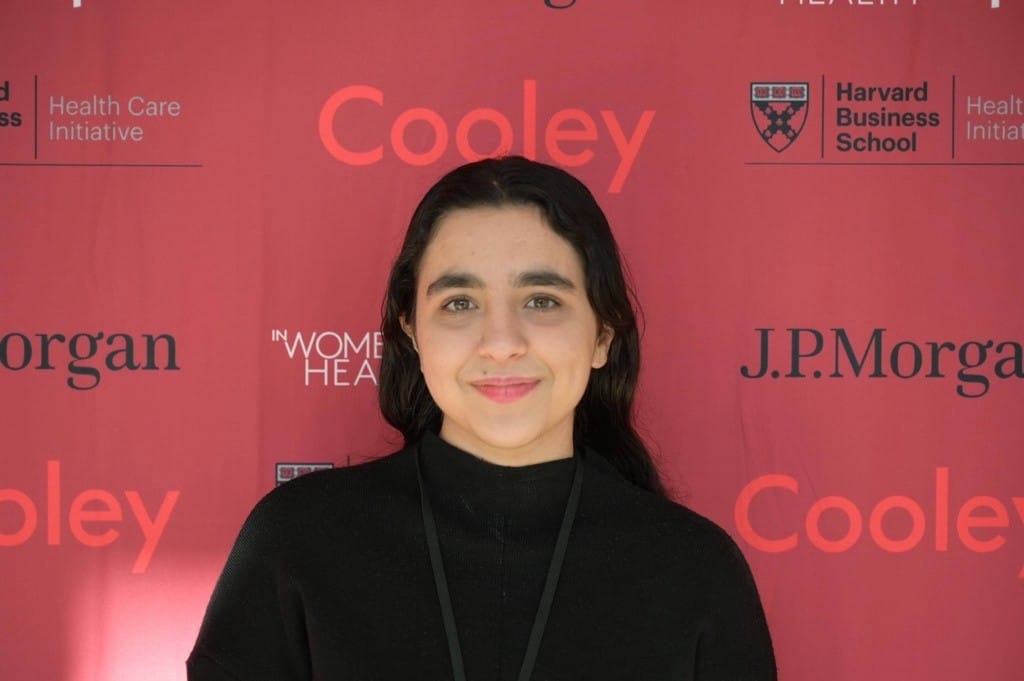
Headshot of Hana
First off, tell us about your journey so far. Where do you study, what inspired you to pursue this, and what’s next? What else do you like to do outside of studying?
I’m Hana Abbasian (she/her), a recent graduate of the Master of Bioethics program at Harvard Medical School. Before that, I earned my undergraduate degree at the University of Toronto Scarborough, double-majoring in Human Biology and Psychology. What drew me to bioethics is its extraordinary range, it’s the one lens that fits every room! Whether it's hospital policy, clinical trials, mental health startups, or national governance, ethics gives you the tools to ask the right questions, challenge assumptions, and imagine better futures. It's a discipline rooted in ancient philosophy, yet it constantly evolves to meet the most urgent questions of our time.

Ethics and entrepreneurship? Sounds like an odd mix, right? Actually, it’s the perfect pairing. I’m putting my ethics training to work by co-building a medical device startup focused on substance use disorder. Ethics is the backbone of innovation that truly serves people.

Looking ahead, my work sits squarely at the intersection of digital innovation and clinical research! I’m really focused on how evidence-based design, patient-centered data, and scalable tech infrastructures can converge to close gaps in healthcare. My time at the Harvard Innovation Labs has pushed me to think about translational pathways, how you move an idea from a research insight to a deployable, clinically meaningful tool.
I completed the Founder Fellowship with Hustle Fund VC’s Emerging Founder School, a highly selective program where 20 founders globally are trained directly by the fund’s partners and Angel Squad investors. It was a comprehensive program in thinking like an early-stage investor, understanding how VCs evaluate defensibility, traction signals, and the path to product-market fit.
That experience pushed me to operationalize things like bottoms-up vs. top-down market sizing, validate assumptions through structured customer discovery, and build toward a repeatable, scalable go-to-market motion. It also helped me refine my ability to translate clinical insights into fundable hypotheses, essentially bridging digital innovation with clinically grounded problem statements in a way that withstands both scientific and venture due diligence.
Outside of academics, I find deep joy in poetry and Middle Eastern literature. It connects me to my heritage and reminds me of the emotional and philosophical threads that bind us across time and place. Reading those texts feels like stepping into a long, shared human conversation.
Tell us about your experience as a grad student at Harvard Bioethics. Can you talk about what the application process/timeline was like, what the program format was like, and some highlights from the course? Did you apply to any other grad schools? Can you explain what bioethics is for people who may be learning about it for the first time?
This might sound unconventional, but I applied to only one program, because it was exactly where I knew I wanted to be. The application required an online form, transcripts, a statement of purpose, my résumé/CV, and three reference letters. It was a very focused process, and I’m grateful it aligned the way it did.
The Master of Bioethics (MBE) program at Harvard Medical School offers both structure and flexibility. Students can choose a one-year in-person track or complete the degree part-time online over two to three years. The core of the program is a year-long, 10-credit Foundations course, complemented by in-depth classes in clinical ethics, research ethics, and health law and policy. From there, students shape their own path, drawing from electives across Harvard Medical School and the wider university, and work on a mentored capstone project that tackles real-world ethical challenges. What makes the program truly special is its breadth. You can approach bioethics through the lens of medicine, policy, law, or global health. Some students join clinical ethics teams at institutions like Boston Children’s Hospital or Beth Israel Deaconess Medical Center; others dive into public health governance or international human rights. The program’s flexibility and reach mean you’re not just learning ethics, you’re practicing it where it matters most. One of my favorite courses during this program was Bioethics Advocacy by Dr. Wes Boyd, which improved my understanding of how ethical arguments can shape legislation, institutional policy, and public narratives around health justice.

Bioethics is about asking the hardest questions in healthcare and science, refusing easy answers, and navigating the spaces where medicine, philosophy, law, and justice intersect. It helps us make sense of dilemmas where lives, rights, and values collide, and at its heart, it is about protecting our humanity as we engage with progress. My primary focus has been on the ethics of data and virtual reality in medical education, and you can read more about my work on this topic in my paper published in the Journal of Surgical Innovation.
Can you tell us about some of the extracurricular & research & work experiences you’ve been doing at Harvard? How did you find these opportunities, were they paid/unpaid, and what did you do in each role?
During my time at Harvard Medical School, I’ve been fortunate to immerse myself in a range of interdisciplinary research, innovation, and community-centered projects.
I served as a Researcher on a meta-analysis examining the efficacy of internet-delivered cognitive behavioral therapy (CBT) for common mental disorders in Sub-Saharan Africa. This work, a collaboration between Beth Israel Deaconess Medical Center and the National University of Singapore, focused on scaling mental health interventions in low-resource settings and was presented at both the Harvard Chan Mental Health Symposium and the Harvard Global Health Symposium. I am especially grateful to my teammate, Sam Muhanguzi, MMSc, for his invaluable contributions to this project.

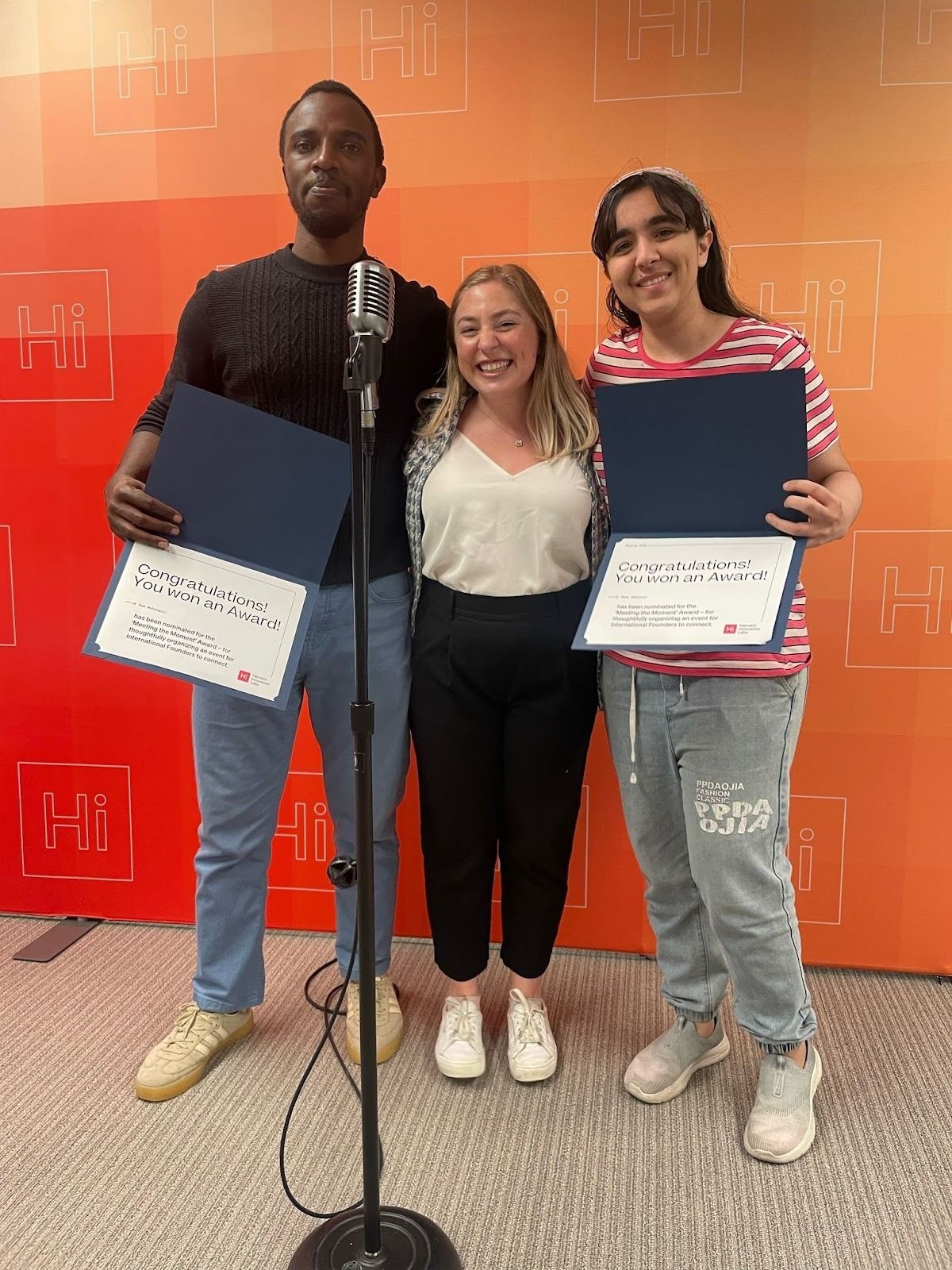
As a student member of the Harvard Innovation Labs, I was honored to receive a Community Award for my work organizing events that built belonging and support systems for international students navigating entrepreneurship and innovation spaces.
Through my work at the Harvard i-Lab, I secured the Interdisciplinary Mind-Brain-Behavior (MBB) Grant, a competitive award supporting translational neurobehavioral research. This funding facilitated the development and optimization of digital health interventions at the nexus of behavioral science, clinical practice, and technological innovation, building strategic partnerships with hospitals and community clinics.
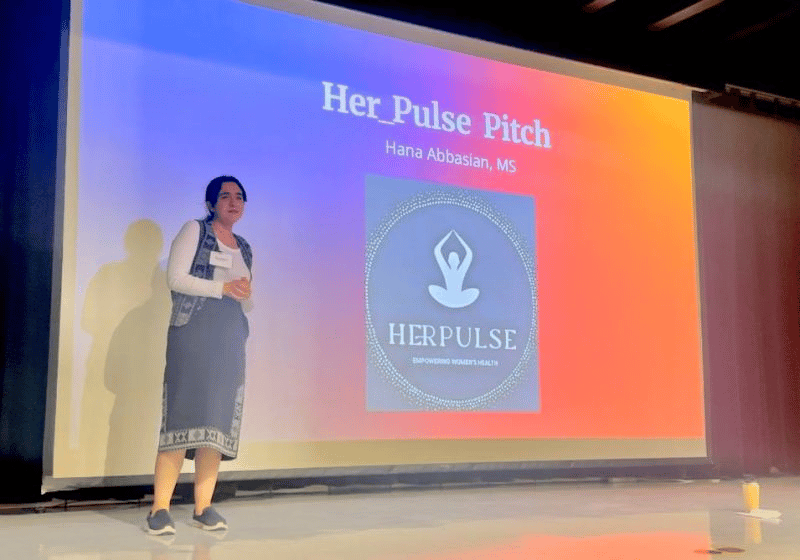
Additionally, I have actively competed in multiple hackathon and pitch events, consistently earning recognition for my work. Most recently at IDEA CON hosted by Innovate@BU, where I took home the Honoree award. This experience showcased Her_Pulse, our innovative digital health platform empowering post-menopausal individuals to take control of their renal health, and demonstrated the real-world impact of translating cutting-edge research into accessible solutions.
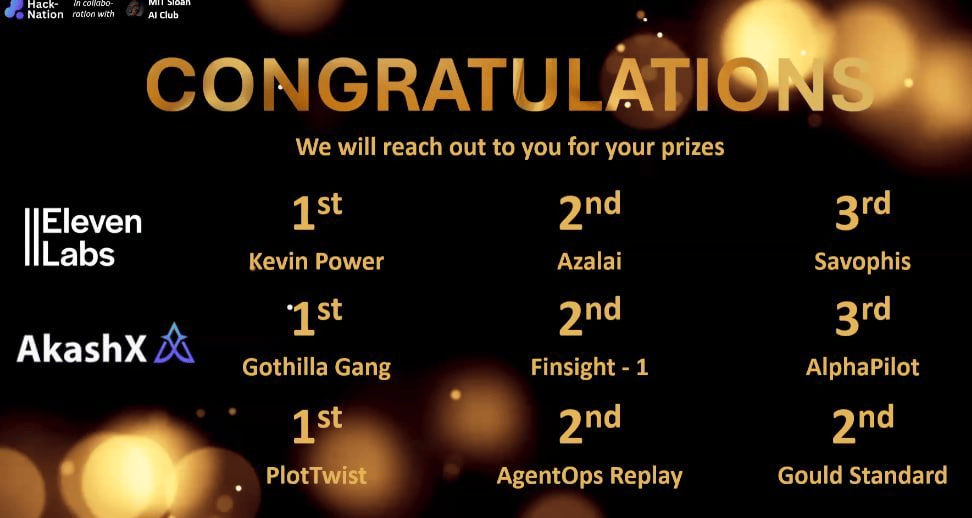
Hackathons are amazing learning experiences, pushing you to innovate, collaborate, and turn ideas into action. I competed at Hack-Nation Global AI Hackathon, hosted with the MIT Sloan AI Club, alongside innovators from MIT, Stanford, Oxford and Dubai AI Campus. Our team, Finsight-1, built FinDocGPT, an AI tool that analyzes and summarizes complex financial documents to drive smarter investment strategies. In just 24 hours, we went from concept to functional prototype. Beyond the awards, this experience highlighted the real-world impact of AI and the power of combining technical innovation with strategic collaboration. We proudly earned 2nd Place in the FinTech track, along with a Top 16 VC Big Bets spot to pitch our solution to investors.
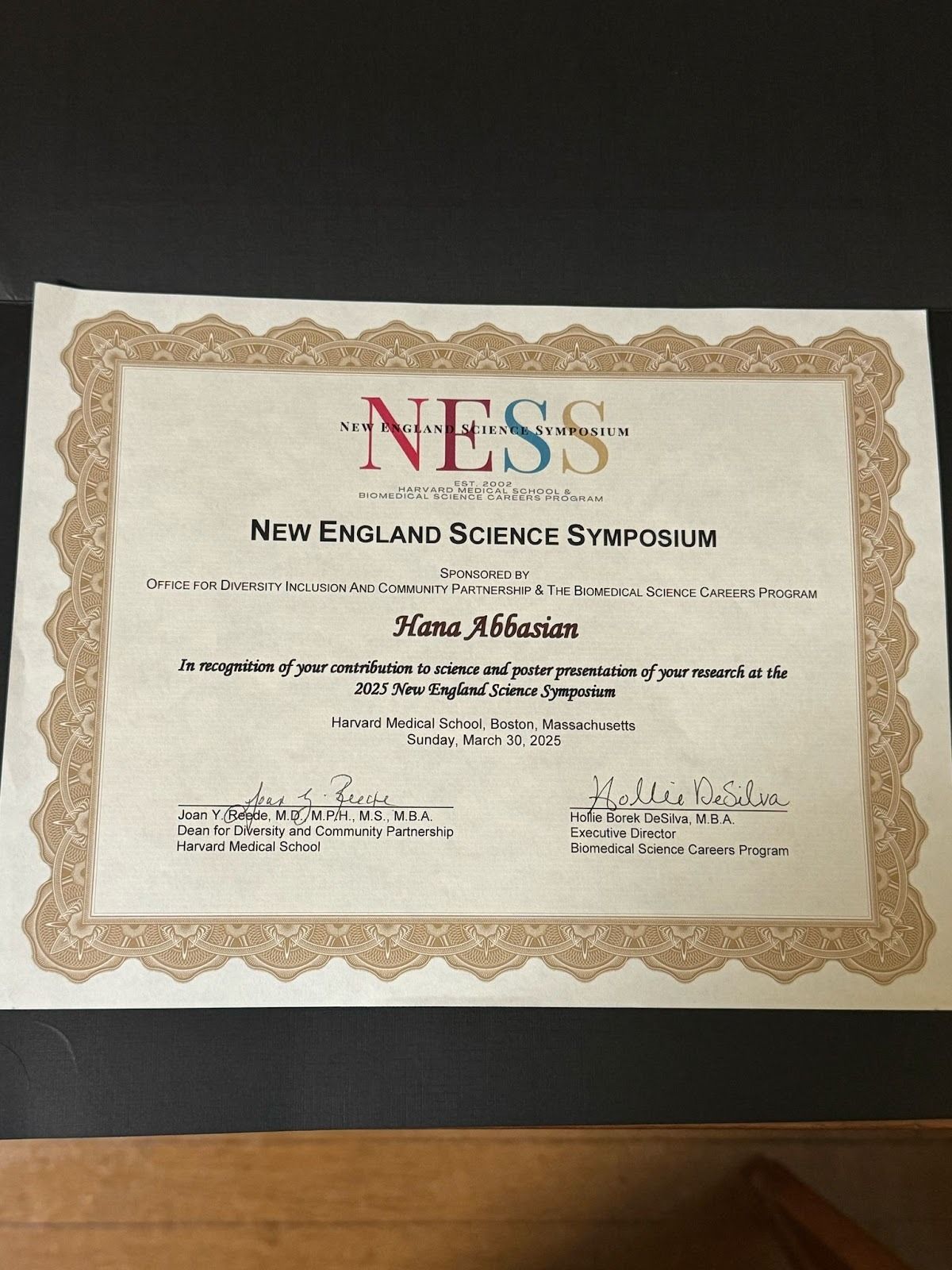
I had the opportunity to improve my clinical research experience as a Graduate Intern at Boston Children’s Hospital, where I contributed to the Genetic Dispositions in Congenital Heart Disease project in the Morton Lab. This experience in pediatric genomics and rare conditions gave me a more intimate understanding of translational research and its ethical complexities. Building on that experience, my Capstone Project at Boston Children’s focused on the ethical dimensions of fetal interventions for Vein of Galen malformation, a rare and high-risk neurovascular condition. I presented this work at the New England Science Symposium, the Harvard MBE Capstone Symposium, and the National Bioethics Conference, where I explored how justice frameworks and parental decision-making intersect in cases involving uncertain outcomes and emerging technologies.

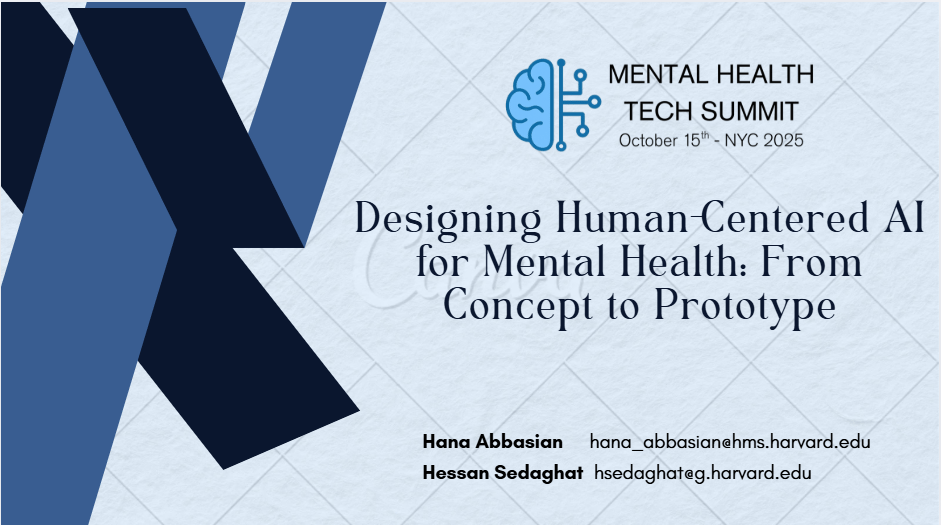
I had the opportunity to co-lead an immersive workshop at the Mental Health Tech Summit, focused on Human-Centered AI and the transformative potential of platforms like ChatGPT, Gemini AI, and Lovable. The session operationalized cutting-edge concepts into interactive prototypes, demonstrating how AI can augment human insight, empathy, and decision-making in mental health innovation. It was a high-impact opportunity to translate theoretical frameworks into actionable solutions, discussing the convergence of design thinking, data-driven strategies, and ethical AI in shaping the next frontier of digital mental health.
Together, these roles have allowed me to bridge science, ethics, and innovation in ways that are both personally meaningful and connected to the communities I aim to serve. They have shown me that cutting-edge research, human-centered design, and ethical reflection are interconnected tools for creating real-world impact. Every project, hackathon, and workshop has reinforced that innovation is most powerful when it addresses genuine human needs, empowers diverse voices, and drives equitable solutions. Moving forward, I’m excited to continue exploring this intersection, transforming ideas into technologies and strategies that truly make a difference.
What advice do you have for students (especially high school + undergrads) who want to pursue bioethics, especially if they don’t have any experience yet?
For students interested in pursuing bioethics, whether at the high school or undergraduate level, I recommend building a mindset of curiosity and critical reflection. Ethical questions permeate every domain, technology, healthcare, policy, and cultural practices, and the capacity to recognize and interrogate these moral dimensions is often more valuable than prior formal experience. Engage every situation with analytical inquiry: “Is this just? Who bears the impact? How could outcomes be optimized ethically?” Seize all opportunities, however modest, as avenues for applied learning and experiential insight. At its core, bioethics involves identifying ethical challenges within everyday contexts and developing critical thinking and academic skills necessary to navigate and address them responsibly.
What types of experiential learning opportunities did you have in undergrad that you think were the most pivotal in getting you to where you are today?
Out of all my experiences, I want to talk about the one that led me to this graduate program. I never had a class with Dr. Eric Mathison, but after coming across his podcast and newsletter on bioethics, I couldn’t stop thinking about the questions he raised, so I cold-emailed him. The email was simple, just a quick introduction to myself, a few thoughts on his latest newsletter, and whether I could join any projects he was working on. I wasn’t sure he’d respond, but he did, and that email turned into one of the most meaningful academic experiences I’ve had. I started as a volunteer with a project on the ethics of cannabis legalization, diving into questions around public health, stigma, and state responsibility. From there, we moved into a deeper exploration of Medical Assistance in Dying (MAiD) in the Canadian healthcare system, a topic we eventually presented at the University of Toronto Scarborough Undergraduate Research and Creative Forum. His clarity and curiosity modeled a way of thinking I’d never seen in a classroom, and his mentorship played a major role in shaping my interest in medical ethics, and in helping me take the leap into graduate studies in the field. It was all done by one cold email, which just shows how powerful taking that first step can be! Cold-emailing might sound intimidating at first, but it really only takes one person to respond, one person to offer a bit of advice, point you in the right direction, or invite you into a project that changes everything.
Working as an Assistant for the Indigenous Engagement Program at the University of Toronto was one of the other unique and meaningful opportunities I had during undergrad, and it all started through a chance connection at a PowWow. I was volunteering with the Authentic Learning Lab, which explores privilege and oppression through play. At that event, I met Juanita Muise, an incredible Indigenous leader and educator. I emailed her afterward simply because I was curious to learn more about Indigenous cultures and perspectives. A few months later, when I was looking for a job, I reached out again, and after an interview, she offered me a paid role on her team!
This role was about learning how to show up in spaces grounded in Indigenous knowledge systems, where relationships and responsibility mattered more than output. I had the privilege of working alongside Elders and community members, which reshaped how I understood concepts like health, education, and ethics. It taught me to slow down, listen deeply, and recognize that not all knowledge fits neatly into Western frameworks. That experience shifted my entire approach to learning and collaboration and gave me a lasting appreciation for relational, community-driven ways of thinking.
If there’s one piece of advice I’d pass on, it’s this, be curious, be bold, and follow up. Some of the most meaningful experiences start with a genuine question and a willingness to send that first email. Show up where you’re not expected. Ask people about their work. And don’t just network to get ahead, connect because you care. Opportunities often come when you’re not chasing them, but when you’re grounded in purpose, humility, and real curiosity.
Where can students go if they want to learn more about your experiences?
If you are interested in the Harvard Bioethics program or wish to engage in discussions on ethics, innovation, or related topics, please feel free to connect with me on LinkedIn or contact me at [email protected]. I would be pleased to coordinate meetings, share insights, or engage in thoughtful dialogue. I am also available to provide guidance on graduate school applications, personal statements, CVs/resumes, job searches, or identifying research opportunities.
Additionally, as the lead of the Health Synthesis Lab, an initiative comprising over 100 student members focused on digital health, global health, and ethics. I mentor students conducting research and welcome inquiries regarding their research interests or projects they wish to pursue. I am committed to supporting emerging scholars in navigating their academic and professional pathways.
Is there any final advice or resources that you would like to share with Invite Health readers?
For post-secondary students interested in learning about Canadian healthcare, my first piece of advice is to get involved early, whether through volunteering, participating in research, or joining initiatives within healthcare settings. These experiences provide insights into how the system works, the challenges it faces, and the impact it has on communities. Beyond gaining technical knowledge, I encourage students to pour energy into the communities they are part of. Listen, observe, and contribute meaningfully. Healthcare is about understanding people, addressing inequities, and making differences in the lives of those you serve. Building this foundation of experience and empathy will prepare you to be an ethical, thoughtful, and impactful future professional.
Presented here are images of my participation in conferences, entrepreneurship events, and professional networking sessions at Harvard and throughout Boston!
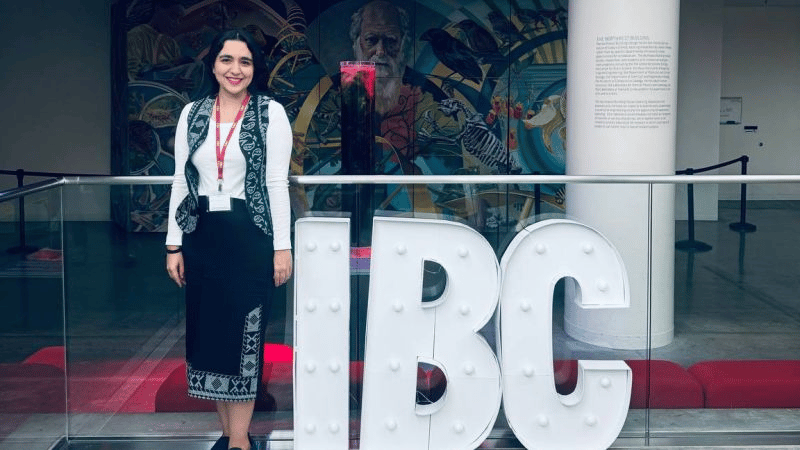
Honored to attend the Women’s Health Summit at Harvard, engaging with visionary women leaders and innovators shaping the future of health.

Honored to attend the Women’s Health Summit at Harvard, engaging with visionary women leaders and innovators shaping the future of health.
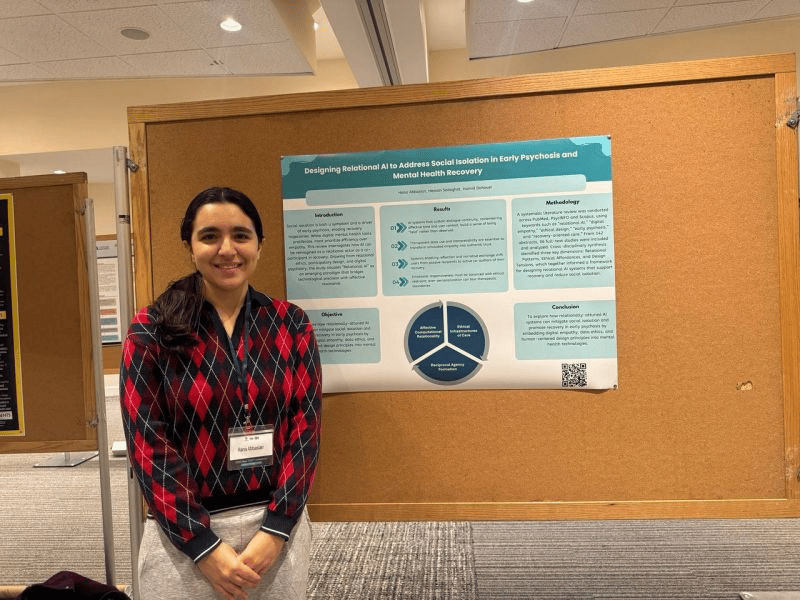
Presented my project on designing relational AI to address social isolation in early psychosis at the MASS-Step Conference supported by Beth Israel Deaconess Medical Center, exploring how affective computing and AI can foster meaningful, empathy-driven connections in mental health recovery.
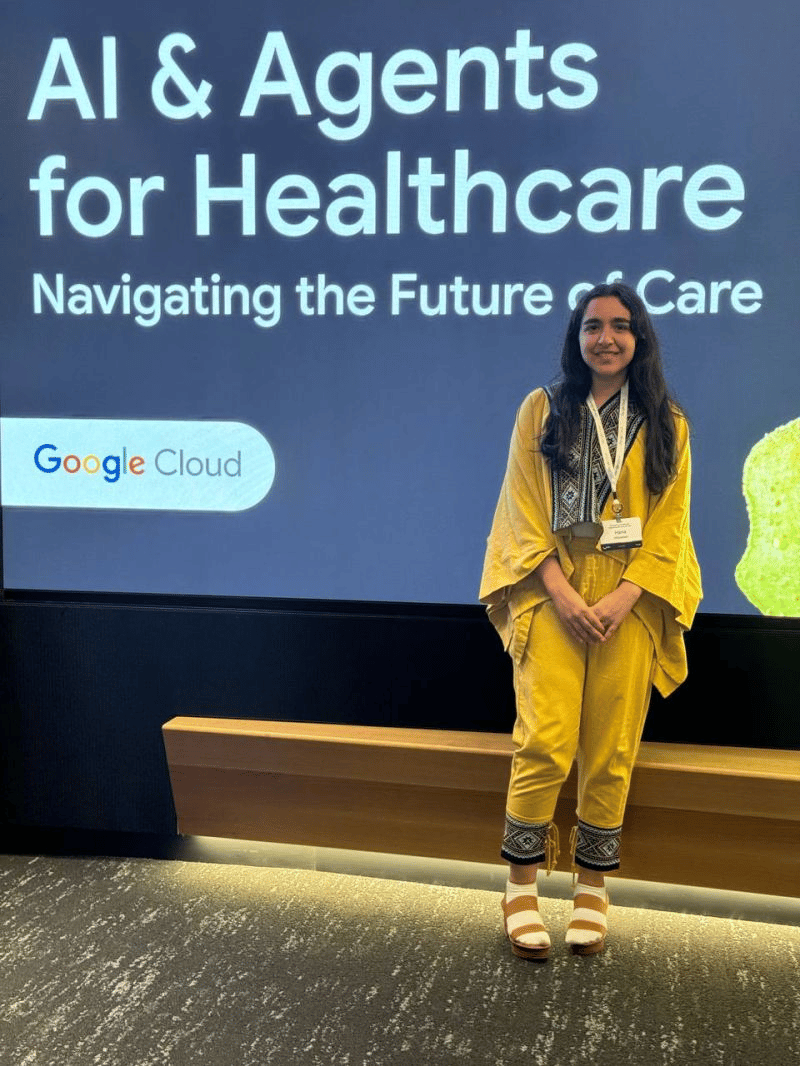
Attending the AI & Agents for Healthcare conference at Google NYC, St. John's Terminal, exploring cutting-edge innovations at the intersection of artificial intelligence and healthcare!
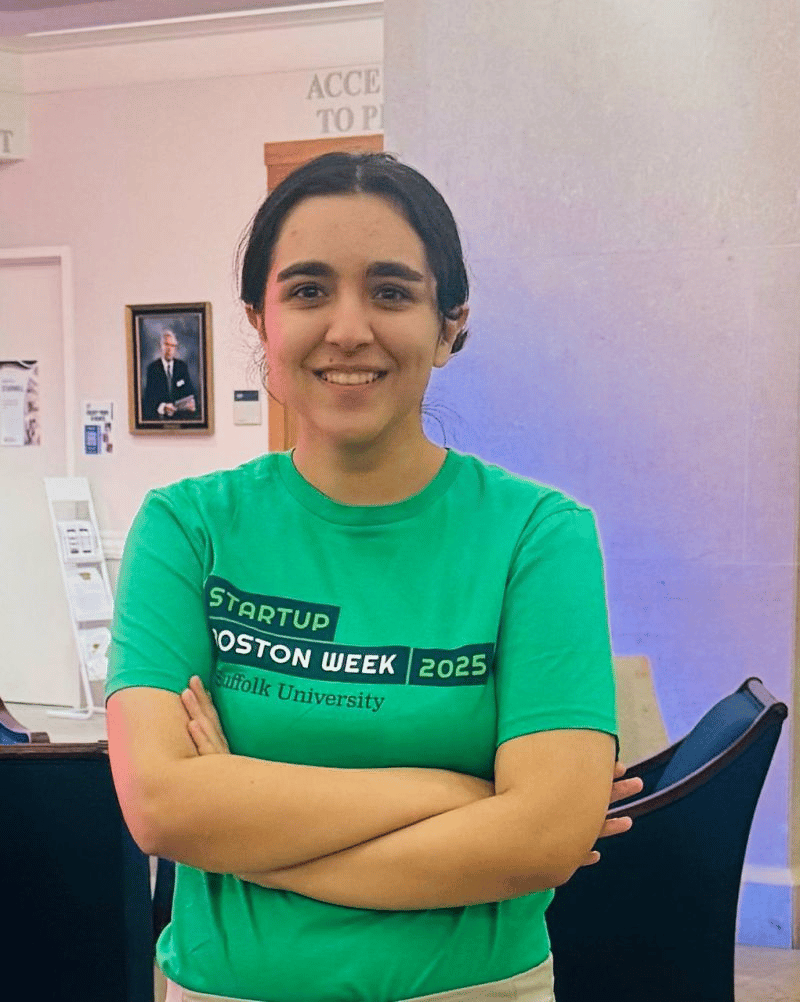
Attending Startup Boston Week 2025, having volunteered in both 2024 and 2025. Incredible opportunities and connections, proof that immersing yourself in every space opens doors to learning, collaboration, and growth.
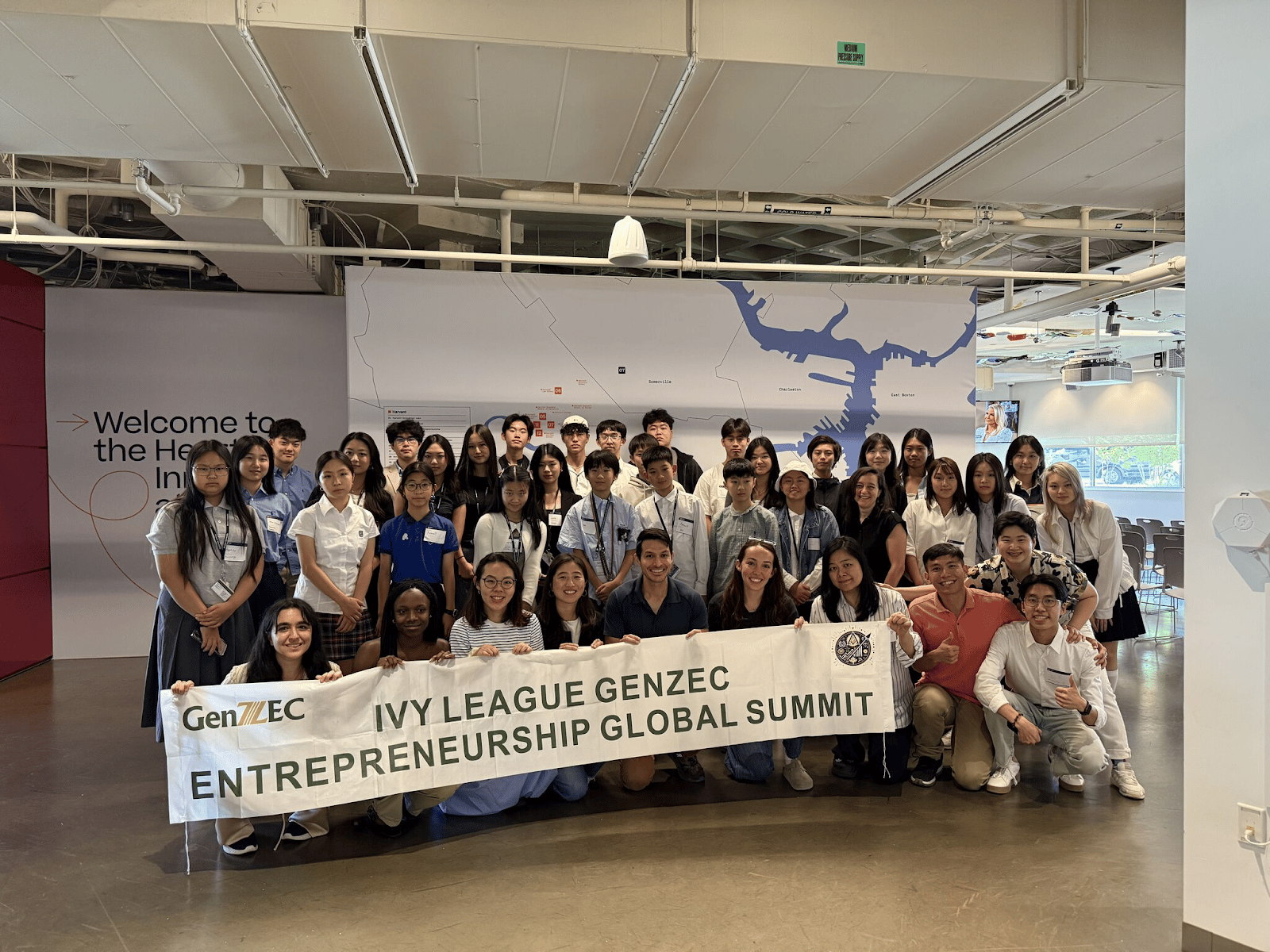
Had the privilege of speaking to high school entrepreneurs at the Harvard Innovation Labs, leading discussions on medical devices, ethics, and entrepreneurship. Inspiring to see global perspectives shaping the next generation of innovators and to share insights on translating ideas into impactful solutions.
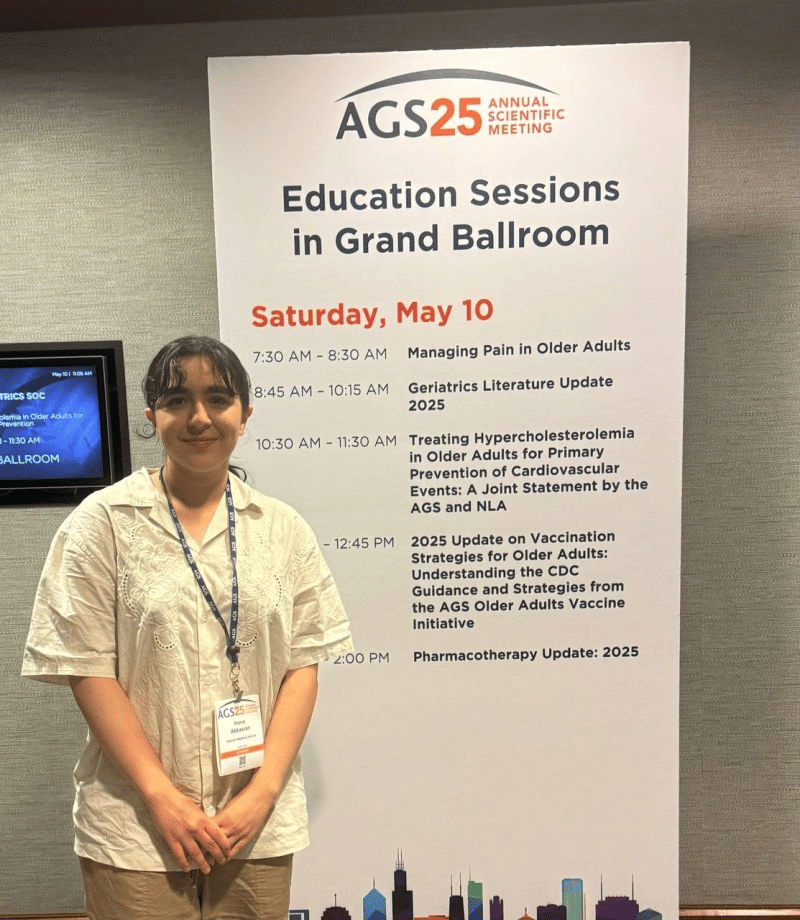
Honored to present my work on spirituality and end-of-life care at 2025 American Geriatrics Society Meeting. This project, shaped by experiences at Hebrew SeniorLife and mentorship from inspiring faculty, explores how spiritual literacy can improve connection, meaning, and compassionate care in geriatrics.
Jobs, Opportunities & Resources 💻️
Most of these resources are reposted on Invite Health’s LinkedIn page.
About Invite Health 💌
I started Invite Health for my younger self who was trying to figure out what to do with my heasci degree that wasn’t a career in medicine.
Today, I’d say this quote is the primary reason I continue to build Invite Health:
“Talent is everywhere, opportunity is not”
The mission of Invite Health is to close this talent-opportunity gap for students in the life and health sciences.
Since 2022, we’re the leading resource for students figuring out what to do with a life sci / health sci degree. I interview students pursuing diverse careers in healthcare, and how they got there - no gatekeeping here. Every newsletter is rich with resources and insights.
Our main channel is this newsletter, and I occasionally share resources on social media (LinkedIn and Instagram).
You can read more about why I built Invite Health here
How to get the most out of Invite Health 🫶
Connect with the interviewees: At the end of every newsletter, the interviewees leave their contact information for you to contact them. In your message, mention that you learned about their journey through Invite Health, and that you’re curious to learn more!
Share the word: Share Invite Health with your friends and networks. Start a conversation about something you learned- an opportunity, a piece of advice, or a recommendation that an interviewee made.
Bet on yourself: Apply to the opportunities that are shared in the newsletters. You have nothing to lose, and so much to gain. Circling back to point #1 - always reach out to the interviewees if you want advice!
You 🤝 Invite Health
Enjoyed this newsletter? Forward it to a friend, and let me know by commenting on our social media posts
Was this newsletter forwarded to you? Subscribe to Invite Health for free
Have feedback? Reply to this email, or fill out this feedback form
Read all of Invite Health’s past interviews
How I Built Invite Health - BTS 🌼
I’m building a series where I share strategies on how I built Invite Health. In two years, I’ve grown Invite Health organically to 2,000+ subscribers (meaning, I’ve spent $0), building it sustainably as a solo student founder throughout undergrad and my Master’s.
Word of mouth is an effective strategy
I’m grateful that a lot of my growth from Invite Health has stemmed from word of mouth - that is, readers sharing Invite Health with other people. Word of mouth works effectively because it’s a referral from someone you know/trust, rather than following a random advertisement or social media post that you may have just seen. I’ve heard people tell me that they shared Invite Health in conversations with their friends, or I’ve even seen people post about Invite Health on their social media pages!
Free Links & Resources 🫰
Made with 💝 & 🍵 by Sachi
Reply